What Is Medication Management? A Complete Guide to Safer, More Organized Healthcare
The management of medications can be complicated, particularly when you are taking multiple prescriptions or suffer from an ongoing health issue or experience changes to your treatment regimen. Knowing what each drug is used for, when you should use it, and how it fits into your overall healthcare schedule can make the routine of taking medications easier to understand and follow.
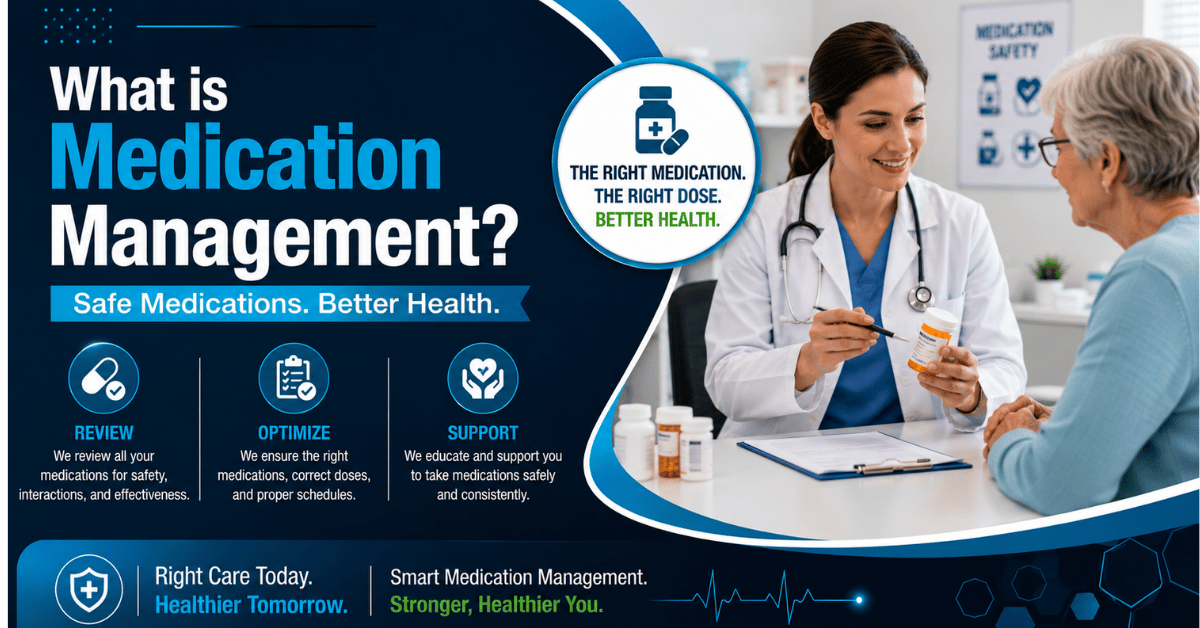
What exactly is medication administration? Medication management is a systematic healthcare process that assists patients and healthcare professionals in examining, managing, monitoring, coordinating, and reviewing medication in the context of an individual’s entire treatment regimen. It is a way to identify medical issues, facilitate communication with healthcare providers, and ensure the proper use of prescription medications.
In the Abundant Life Care Clinic, medicine management is an integral part of a complete healthcare system that is patient-centered. We offer services that help patients with preventive healthcare, chronic disease management, diagnostic services, elderly care, telehealth, home visits, and other primary care needs.
What Is Medication Management?
The term “medication management” is the standardized procedure of evaluating and monitoring the patient’s medication to ensure appropriate and safe use within their medical plan.
It could include studying current prescriptions, absorbing the medication’s instructions, discussing any issues with a doctor, monitoring the progress of treatment, and keeping the information on medications current and accurate.
The management of medications is especially important for those who are taking multiple medicines or who have persistent health issues. As the health of a patient alters, the medications they take may alter. A review of medications can help healthcare professionals know what the person is taking and decide what treatment regimen needs to be reviewed.
In the Abundant Life Care Clinic, the management of medications could include reviewing medications for efficacy as well as monitoring refills and helping to identify possible medication-related issues in the context of overall health management.
It is important to note: Medication management does not mean modifying or stopping medications without a medical professional’s guidance. Patients must always consult with their doctor before making any changes to prescription medications.
Why Is Medication Management Important?
The use of medication is often a crucial component of treating health issues or managing symptoms, as well as maintaining long-term health. However, the routines of medication may be difficult to follow when dosages, prescriptions, regimens, or health conditions change.
A well-planned medication regimen can aid patients, and healthcare professionals maintain a better knowledge of the treatment program.
It Helps Keep Medication Information Organized
It Supports Better Communication
Patients might have questions regarding their medication, such as the best time and place to use them. The management of medications provides opportunities to discuss these concerns with a medical expert.
It Helps Monitor Treatment
Healthcare professionals can assess whether the treatment is performing according to plan and if additional examination is necessary.
It Can Help Identify Potential Concerns
The review of medications can assist healthcare professionals in identifying circumstances that need further investigation for possible interactions, duplicate medicines, and treatment modifications or concerns about the way a drug is being utilized.
It Supports Chronic Disease Management
Who Can Benefit From Medication Management?
Seniors Taking Multiple Medications
Seniors may have several health issues that require multiple prescriptions. Regularly reviewing their medications can assist in keeping their medication information on medications current and aid in contact with their healthcare providers.
The senior healthcare process can also include the monitoring of existing conditions as well as assessing new symptoms, reviewing medication, and assisting with preventive care.
Patients With Chronic Conditions
People who suffer from hypertension, diabetes, heart disease, asthma, as well as thyroid issues, arthritis, or other chronic diseases may require medication for long periods of time.
Medication management is a good option to incorporate in regular follow-up for chronic diseases to provide ongoing support.
Patients With Changing Treatment Plans
Family Caregivers
What Does Medication Management Include?
Medication Review
Medication Reconciliation
Prescription Guidance
Medication Monitoring
Medication Education
Refill Coordination
Medication Management and Chronic Disease Care
For those with chronic ailments, the management of medications is essential to long-term health care.
Management of chronic disease typically includes many elements, including routine appointments for medication reviews, lifestyle advice, health monitoring, preventive health care, diagnostic tests, and follow-up assessments. The exact tests, dosage, or frequency with which monitoring is conducted are contingent on the person’s health condition and the healthcare program.
For instance, a patient with diabetes might require frequent medical monitoring, medication support or lifestyle counseling, as well as appropriate diagnostic tests. A person who is suffering from high blood pressure might require continuous monitoring and treatment adjustments depending on their specific medical needs.
In the Abundant Life Clinic’s Chronic Disease Management program, the management of medications is part of the personalized chronic treatment.
The Connection Between Medication Management and Diagnostic Testing
Diagnostic and medication management are sometimes a part of a larger health strategy.
Certain medical conditions and medications might require healthcare professionals to keep track of certain health indicators. Depending on the medication used and the patient’s medical condition, the doctor may suggest an appropriate diagnostic test or laboratory.
Diagnostic services offer information that can help health professionals assess the health of patients and make informed care decisions. Abundant Life Care Clinic provides lab tests as well as routine health tests, diagnostic tests, and health screening monitoring for chronic conditions and follow-up testing that is based on the appropriate health requirements.
Learn more about Diagnostic & Laboratory Services to find out more about how tests can help your overall health plan.
How Medication Management Supports Seniors
The management of medication can be especially beneficial as we age.
Adults over the age of 65 may have several prescriptions for various conditions and conditions, which makes it more crucial to keep accurate information on medications and keep in touch with your medical professionals.
Senior healthcare could include medical reviews, preventive treatment, and chronic disease management, cognitive and mental health assessments, mobility assessments, as well as an individualized plan of care.
For families of seniors, a structured medication schedule will also help in communicating any changes or concerns to your healthcare provider.
Common Medication Management Challenges
Multiple Medications
Changing Prescriptions
Confusing Instructions
Forgetting Medication Information
Multiple Healthcare Providers
Take Control of Your Medication Management services Today
Get personalized Medication Management Services, ongoing medical support, and expert guidance designed to help you manage your condition and live a healthier, more comfortable life.
How to Prepare for a Medication Management Appointment
A well-prepared review can make the review of a medication more beneficial.
You might want to consider bringing or maintaining an up-to-date list of:
Prescription medication
Medicines that are available over-the-counter
Vitamins and supplements
Medication doses
How often is each medication taken?
Recent changes to medications
Have questions or concerns regarding your medication
The relevant medical records should be they are available
Abundant Life Care Clinic recommends bringing a list of medications that are currently in use to an initial appointment. Also bring any pertinent health information and medical records if available.
If you’re unsure about a medicine, don’t think you know. Consult your doctor and pharmacist to clarify.
Medication Management Through Different Care Options
Healthcare doesn’t always take place in the same manner. Based on the needs of the patient and the kind of care needed, support for medication may be integrated into various healthcare options.
Office Visits
Telehealth Visits
Home Visit Primary Care
Medication Management Is Part of Comprehensive Primary Care
Medication management is best when it is integrated with the other aspects of the patient’s health care.
The medication a patient is taking should be taken into consideration alongside their medical background as well as their symptoms, health goals and diagnosis information, chronic illnesses lifestyle, and other factors that affect healthcare.
The reason for this is that medication management can be combined with other services like:
Preventive & Wellness Care
Acute Care
Chronic Disease Management
Senior (Geriatric) Care
Diagnostic & Laboratory Services
Care Coordination
Telehealth Services
Home Visit Primary Care
Explore every one of our health solutions to find out what we can do to help you. Abundant Life Care Clinic supports patients throughout different phases of their health journey.
How Medication Management Can Support Better Healthcare Decisions
Medication management is not just concerned with keeping track of prescribed medications. It’s about making medical information part of a unified healthcare system.
If healthcare professionals have accurate information about their medications, they are able to better comprehend the patient’s treatment plan. If patients are aware of their medication and are aware of the right queries to raise, they will be able to take part in discussions more confidently regarding their health.
This approach to patient-centered care is in line with Abundant Life Care Clinic’s larger commitment to individualized healthcare. The clinic offers appointments at the office, visits to homes, and telehealth to improve the quality of primary care and make it more accessible.
When Should You Consider a Medication Review?
It is possible to discuss your medication with your doctor If:
You are taking multiple prescription medicines.
Your medication has recently changed.
There are questions regarding your medication regimen.
You’re dealing with any of your chronic diseases.
You’ve recently visited a variety of healthcare professionals.
You’re not sure if your current medication list is correct.
You’re helping an older family member to manage their medication.
There are concerns regarding the treatment plan you have chosen.
Your physician has recommended medical follow-up for your medication.
A medication review must always be tailored to your medical history and treatment regimen.
Why Choose Abundant Life Care Clinic for Medication Management?
The clinic at Abundant Life Care Clinic, the management of medication is seen as part of a complete, customized healthcare, not as a stand-alone treatment.
Our team of healthcare professionals can integrate medication-related care into primary treatment, managing chronic diseases, preventive healthcare, senior health, diagnostic services, as well as follow-up appointments.
The clinic also offers the option of home, office, and telehealth options that allow patients to access healthcare in a way that best suits their needs.
We aim to help patients understand their health, communicate easily with their healthcare providers, and keep them informed about their current treatment plans.
Frequently Asked Questions About Medication Management
What is the purpose of medication management?
Who has a need for medication treatment?
Does medication management mean changing my medication?
Does medication management aid in managing chronic illnesses?
Is medication administration possible to be delivered via the internet?
If needed, medical follow-ups and consultations can be arranged through Telehealth. The best option for care is dependent on the patient’s health requirements.
For more questions, go to for more information, visit the Questions about Medication Management section.
Ready to Discuss Your Medication Needs?
Make an appointment to visit Abundant Life Care Clinic to discuss your medication, health issues, and individualized healthcare requirements.