What Is a Health Risk Assessment? A Complete Guide to Understanding Your Health Risks
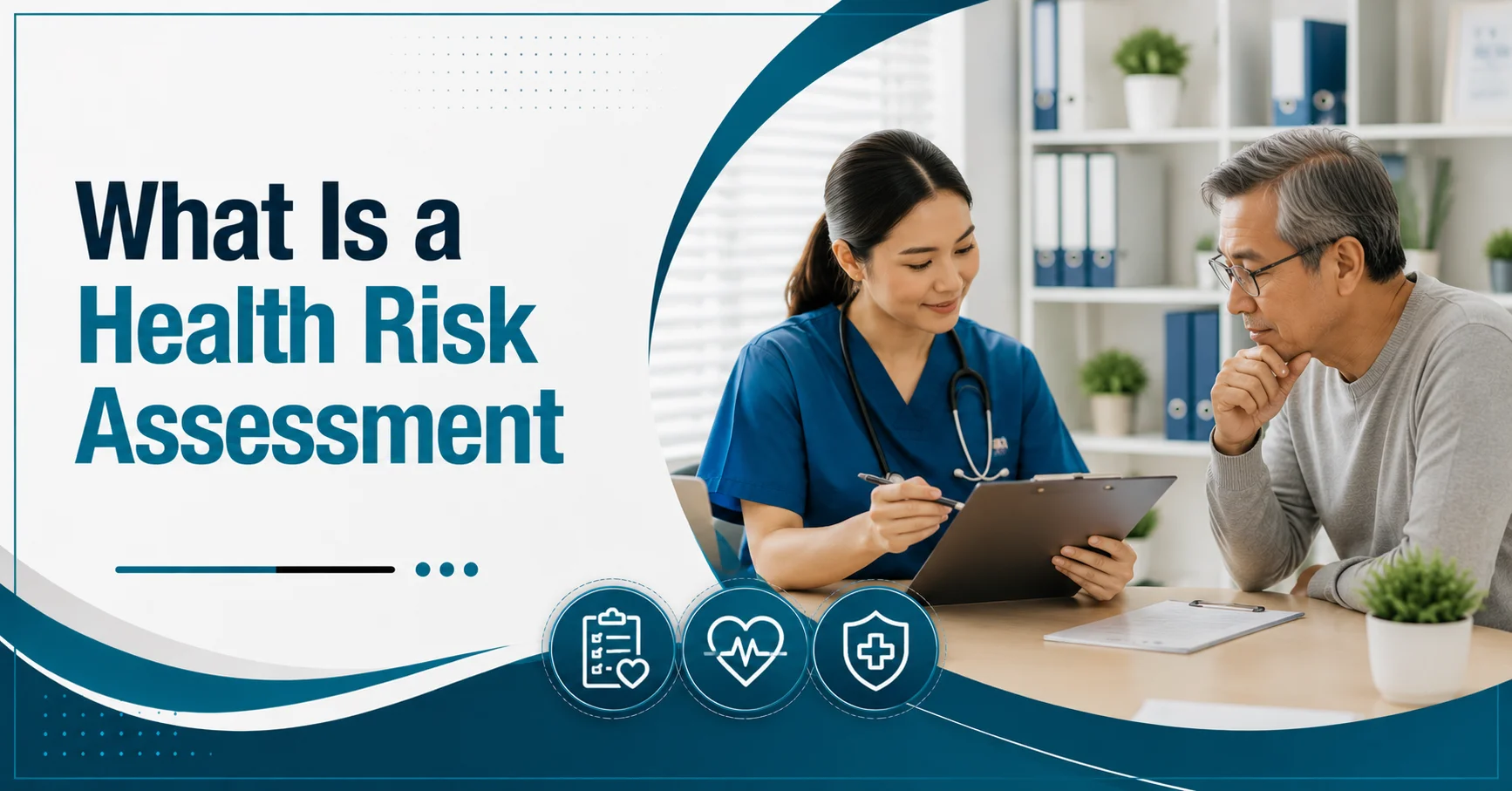
Your health can change gradually, and some risk factors may not cause noticeable symptoms at first. This is one reason preventive healthcare is so important. A health risk assessment provides a structured way to review important information about your health, lifestyle, family history, medications, existing conditions, and other factors that may influence your overall well-being.
If you have ever wondered, “What is a health risk assessment?”, think of it as a personalized health review designed to help you and your healthcare provider better understand potential risks and identify areas where preventive care, monitoring, lifestyle changes, or additional evaluation may be appropriate.
At Abundant Life Care Clinic, patients in Catonsville, MD, can receive personalized primary and preventive healthcare based on their individual health needs. A health risk assessment can be an important part of that process because it helps organize relevant health information and supports informed conversations with your healthcare provider.
But what exactly does a health risk assessment involve? Who can benefit from one? What information is reviewed? And how is it different from a routine physical or preventive screening?
This guide explains everything you need to know.
What Is a Health Risk Assessment?
A health risk assessment is a structured process used to collect and review information about a person’s health, lifestyle, medical history, family history, medications, existing health conditions, and potential risk factors.
The goal is not simply to identify problems. Instead, a health risk assessment can help provide a clearer picture of your current health and highlight areas where preventive care or further evaluation may be beneficial.
Depending on your individual circumstances, a health risk assessment may consider:
- Medical and health history
- Family health history
- Current medications and supplements
- Existing medical conditions
- Lifestyle habits
- Nutrition and physical activity
- Tobacco or alcohol use
- Sleep patterns
- Mental and emotional well-being
- Preventive care needs
- Risk factors for chronic conditions
- Age-related health considerations
- Previous screening results
- Current health concerns
The information collected helps your healthcare provider understand your health more broadly, rather than focusing on a single symptom or condition.
At Abundant Life Care Clinic, health risk assessments are designed around an individual’s health history, lifestyle, medications, family history, existing conditions, and preventive care needs.
Why Is a Health Risk Assessment Important?
Many health concerns develop over time. A person may feel generally well while still having risk factors that deserve attention.
A health risk assessment can help bring those factors into focus.
For example, a person may have a family history of certain conditions, lifestyle factors that could increase health risks, or gaps in preventive care. Reviewing these details with a healthcare provider can help determine whether additional screening, monitoring, health education, or preventive strategies may be appropriate.
A health risk assessment may help you:
- Understand your current health risks
- Identify potential risk factors
- Review your preventive care needs
- Discuss lifestyle habits
- Understand your family health history
- Review medications and health conditions
- Identify areas that may need monitoring
- Support personalized preventive care
- Prepare for future healthcare decisions
The purpose is not to predict exactly what will happen to your health. Instead, it provides information that can support more informed healthcare planning.
What Does a Health Risk Assessment Include?
1. Medical History Review
Your medical history provides important context for understanding your current health.
A provider may discuss previous diagnoses, surgeries, illnesses, hospitalizations, treatments, and other relevant medical information.
Understanding your medical history can help your healthcare provider identify patterns, recognize potential risks, and determine what preventive care may be appropriate.
2. Family Health History
Family history can provide useful information about potential health risks.
Your provider may ask about conditions that affect close relatives, including chronic diseases and other significant health concerns.
Family history does not mean that you will develop a particular condition. However, it can help your healthcare provider determine whether certain preventive screenings or monitoring may be worth discussing.
3. Lifestyle Review
Daily habits can influence long-term health.
A health risk assessment may include questions about:
- Nutrition
- Physical activity
- Sleep
- Stress
- Tobacco use
- Alcohol consumption
- Daily routines
- Weight-related concerns
- Other lifestyle factors
This information can help your provider identify opportunities for healthier habits and personalized wellness planning.
4. Medication Review
Medications are another important part of understanding your overall health.
Your healthcare provider may review prescription medications, over-the-counter products, vitamins, and supplements.
A medication review can help identify questions or concerns that may require further discussion, including possible interactions, adherence challenges, or changes in your current treatment plan.
5. Existing Health Conditions
If you already manage a chronic or ongoing health condition, your provider may consider how that condition affects your overall health risks.
This can include reviewing symptoms, treatment plans, medications, monitoring needs, and preventive care recommendations.
A health risk assessment is therefore not only about people who feel completely healthy. It can also be useful for people managing ongoing healthcare needs.
Medications are another important part of understanding your overall health.
Your healthcare provider may review prescription medications, over-the-counter products, vitamins, and supplements.
A medication review can help identify questions or concerns that may require further discussion, including possible interactions, adherence challenges, or changes in your current treatment plan.
What Is the Difference Between a Health Risk Assessment and a Physical Exam?
A common question is whether a health risk assessment is the same as a physical examination.
They are related, but they are not necessarily the same thing.
A physical examination generally involves a healthcare provider evaluating your physical health through measurements, examination techniques, health history, and discussion of current concerns.
A health risk assessment focuses more broadly on identifying and understanding potential health risks by reviewing information such as medical history, lifestyle, family history, medications, existing conditions, and preventive care needs.
Depending on your healthcare needs, these approaches can complement one another.
For example, a provider may use information from a health risk assessment to help determine which preventive services, screenings, or follow-up discussions may be appropriate during your ongoing primary care.
Health Risk Assessment vs Preventive Health Screening
A health risk assessment and a preventive health screening can also work together, but they serve different purposes.
A health risk assessment gathers information to understand potential health risks.
A preventive screening generally involves a specific test, measurement, or evaluation designed to look for particular health concerns or risk factors.
For example, preventive healthcare may include appropriate screening recommendations based on factors such as age, health history, family history, and individual risk factors.
Learn more about preventive health screening near me in Catonsville and how preventive screening can support early awareness and informed healthcare planning.
These two approaches can complement each other because the information gathered through a health risk assessment may help your provider determine which preventive services or screenings to discuss.
What Are the Benefits of a Health Risk Assessment?
Early Awareness of Potential Risks
A health risk assessment can help identify factors that may deserve attention before they become more significant concerns.
Early awareness does not guarantee that a health condition will be prevented, but it can encourage appropriate monitoring and preventive conversations.
Personalized Healthcare Planning
Healthcare is not one-size-fits-all.
Your age, medical history, family history, lifestyle, medications, and current health conditions all influence your individual healthcare needs.
A health risk assessment helps organize these details so your provider can make recommendations that are relevant to you.
Better Understanding of Your Health
Health information can sometimes feel overwhelming.
A structured assessment can help organize important information and create an opportunity to ask questions about your health risks, preventive care, and wellness goals.
Support for Healthy Lifestyle Changes
A health risk assessment may identify areas where lifestyle changes could support better health.
Depending on your individual situation, conversations may include nutrition, physical activity, sleep, stress management, tobacco use, or other wellness-related topics.
Ongoing Health Monitoring
Health risks can change as you age or as your health circumstances change.
Regular conversations with a healthcare provider can help keep your health information current and determine whether additional monitoring or preventive care is appropriate.
Who Can Benefit From a Health Risk Assessment?
Health risk assessments can be useful for many adults, especially those who want a more organized understanding of their current health risks.
You may benefit from discussing a health risk assessment with your healthcare provider if you:
- Have a family history of chronic disease
- Manage one or more ongoing health conditions
- Take multiple medications
- Have not had preventive care recently
- Want to review your lifestyle habits
- Have recently experienced changes in your health
- Are concerned about developing certain health conditions
- Want to better understand your preventive care needs
- Are entering a new stage of life
- Want to create a more personalized wellness plan
Your provider can determine whether a health risk assessment is appropriate based on your individual healthcare circumstances.
What Questions Are Asked During a Health Risk Assessment?
The questions can vary depending on the purpose of the assessment and your individual health needs.
You may be asked about your:
Health History
Questions may cover previous illnesses, diagnoses, surgeries, hospitalizations, and other relevant medical events.
Family History
Your provider may ask about significant health conditions affecting parents, siblings, grandparents, or other close relatives.
Medications
You may be asked to provide a current medication and supplement list.
Lifestyle
Questions may cover nutrition, physical activity, sleep, tobacco, alcohol, stress, and other lifestyle factors.
Current Health Concerns
You may have an opportunity to discuss symptoms, concerns, changes in your health, or questions about your wellness.
How Does a Health Risk Assessment Support Preventive Care?
Preventive care focuses on maintaining health, identifying risks early, and addressing appropriate concerns before they become more difficult to manage.
A health risk assessment can support preventive care by helping identify areas that may require attention.
For example, the assessment may highlight:
- A family history that deserves discussion
- Lifestyle factors that could be improved
- Preventive screenings that may be due
- Medication-related questions
- Existing conditions that need monitoring
- Changes in health that warrant follow-up
- Gaps in preventive healthcare
Abundant Life Care Clinic’s preventive and wellness care services include health screenings, wellness exams, personalized guidance, and healthy lifestyle support designed around individual needs.
Can a Health Risk Assessment Identify Health Problems?
A health risk assessment can identify potential risk factors or areas that may require further evaluation, but it is not designed to diagnose every health condition.
This distinction is important.
The assessment may identify information that suggests additional screening, testing, monitoring, or discussion could be appropriate. Your healthcare provider can then determine what next steps make sense based on your individual circumstances.
If you have symptoms or a specific health concern, your provider may recommend an appropriate examination or diagnostic evaluation rather than relying on a health risk assessment alone.
When Should You Consider a Health Risk Assessment?
There is no single schedule that applies to everyone.
The appropriate timing can depend on your age, medical history, family history, existing health conditions, medications, lifestyle, risk factors, and preventive care needs.
You may want to discuss an assessment with your healthcare provider if:
- It has been a long time since you reviewed your overall health
- Your health circumstances have changed
- You have developed new risk factors
- You have a significant family health history
- You are managing multiple health conditions
- You have questions about your preventive care
- You want to establish healthier habits
- Your provider recommends an assessment
The important point is that preventive healthcare should be personalized rather than based on a one-size-fits-all schedule.
Take Control of Your Primary Care services Today
Get personalized Primary Care Services, ongoing medical support, and expert guidance designed to help you manage your condition and live a healthier, more comfortable life.
What Happens After a Health Risk Assessment?
The assessment itself is only one part of the process.
After reviewing your information, your healthcare provider may discuss the findings with you and explain which areas may deserve attention.
Depending on your individual circumstances, next steps could include:
- Additional preventive screening
- Routine health monitoring
- Lifestyle recommendations
- Medication review
- Follow-up appointments
- Additional medical evaluation
- Chronic condition management
- Health education
- Personalized preventive care planning
At Abundant Life Care Clinic, the health risk assessment process is designed to help patients understand their findings and appropriate next steps.
Can a Health Risk Assessment Be Done During Primary Care?
Yes. A health risk assessment can be incorporated into broader primary care depending on your needs.
Primary care provides an ongoing relationship with a healthcare provider who can understand your health history over time.
This makes it easier to connect risk assessment information with preventive care, chronic condition management, medication reviews, health screenings, and other healthcare services.
You can explore primary care services at Abundant Life Care Clinic to learn more about the different types of personalized healthcare available.
Can Health Risk Assessments Support Care for Seniors?
Health risks can change as people age, making preventive care and regular health monitoring particularly important for older adults.
For seniors, healthcare discussions may include:
- Medication management
- Mobility concerns
- Chronic conditions
- Fall risks
- Preventive screenings
- Nutrition
- Functional health
- Family and caregiver support
- Healthy aging goals
A health risk assessment can provide useful information for these conversations and help the healthcare team understand areas that may need further attention.
What If It Is Difficult to Travel to a Clinic?
Healthcare access can be challenging for people with limited mobility, certain chronic conditions, or other circumstances that make traveling difficult.
In these situations, home-based primary care may provide another option for eligible patients.
Primary care at home in Catonsville can provide personalized medical care in the comfort of home for eligible patients who have difficulty traveling to a medical office. Services may include routine health checks, preventive care, annual physical exams, chronic condition management, and follow-up care.
This type of care can help patients remain connected with their healthcare team while reducing some of the challenges associated with traveling to an office.
How Health Risk Assessment and Preventive Screening Work Together
One of the biggest advantages of taking a comprehensive approach to healthcare is that different services can support one another.
A health risk assessment can help identify potential risk factors.
Preventive screening can evaluate specific health concerns.
Primary care can provide ongoing monitoring and follow-up.
Together, these services can help create a more complete approach to preventive healthcare.
For example, information from a health risk assessment may prompt a discussion about whether a particular preventive screening is appropriate. The results of that screening can then be reviewed as part of your ongoing primary care.
This approach keeps healthcare focused on your individual needs rather than treating every patient exactly the same way.
What If You Become Sick While Managing Your Overall Health?
Preventive care does not replace medical evaluation when you develop new symptoms.
For example, respiratory symptoms such as fever, cough, sore throat, congestion, fatigue, or other concerns may require an appropriate medical evaluation.
Abundant Life Care Clinic also provides urgent care COVID testing in Catonsville for patients who may need COVID-19 testing and treatment guidance.
This is a useful reminder that preventive care and acute care serve different purposes. A health risk assessment helps you understand broader health risks, while acute care addresses current symptoms or immediate healthcare concerns.
Health Risk Assessments in Catonsville, MD
For patients in Catonsville, having access to personalized preventive healthcare can make it easier to stay informed about health risks and appropriate next steps.
Abundant Life Care Clinic provides primary care and preventive wellness services designed around individual health needs.
The clinic’s health risk assessment service reviews areas such as medical history, lifestyle, medications, family history, existing conditions, and preventive healthcare needs.
Rather than focusing on one isolated factor, this approach considers multiple aspects of your health to support more informed healthcare conversations.
If you live in Catonsville or the surrounding area and want to better understand your preventive healthcare needs, discussing a health risk assessment with a qualified healthcare provider may be a useful starting point.
Common Questions About Health Risk Assessments
What is a health risk assessment in simple terms?
A health risk assessment is a structured review of your health history, lifestyle, family history, medications, existing conditions, and other factors that may influence your health. It helps identify potential risks and areas where preventive care or further evaluation may be appropriate.
Is a health risk assessment the same as a medical exam?
No. A health risk assessment focuses primarily on gathering and reviewing information about potential health risks. A medical examination involves a healthcare provider evaluating your physical health and current concerns. Depending on your needs, both can be part of comprehensive healthcare.
What information do I need for a health risk assessment?
You may need information about your medical history, family health history, medications, supplements, lifestyle habits, existing conditions, previous screenings, and current health concerns.
Can a health risk assessment detect disease?
A health risk assessment can identify risk factors or concerns that may warrant further evaluation, but it does not diagnose every disease. Your healthcare provider can recommend appropriate testing or evaluation when needed.
How often should I have a health risk assessment?
The appropriate frequency depends on your age, health history, risk factors, existing conditions, and preventive care needs. Your healthcare provider can help determine when an assessment may be appropriate.
Where can I learn more about health risk assessments in Catonsville?
Yes. Information from an assessment can help your provider identify potential risk factors and determine which preventive services, screenings, monitoring, or health discussions may be appropriate.
Can a health risk assessment help with preventive care?
You can explore the Health Risk Assessments FAQs for additional answers about health risk assessment services and preventive care.
Take the Next Step Toward More Informed Preventive Care
Knowing the answer to “What is a health risk assessment?” is a useful first step toward understanding how preventive healthcare can support your overall wellness.
A health risk assessment does not predict your future health or replace medical diagnosis. Instead, it provides a structured opportunity to review important health information, identify potential risk factors, discuss preventive needs, and determine whether additional evaluation or monitoring may be appropriate.
Your healthcare needs can change over time. Regular communication with a primary care provider can help you stay informed and make healthcare decisions based on your individual circumstances.
If you are ready to discuss your health concerns or preventive care needs with a provider in Catonsville, you can book an appointment with Abundant Life Care Clinic.