Your Complete Guide to Managing Chronic Conditions and Living a Healthier, Happier Life
Receiving a diagnosis of a chronic disease can feel overwhelming, but it doesn’t mean you have to give up the life you enjoy. Millions of people successfully manage chronic conditions every day while maintaining fulfilling careers, spending time with loved ones, traveling, exercising, and pursuing their passions. The key lies in understanding your condition, building healthy habits, and partnering with a trusted healthcare provider.
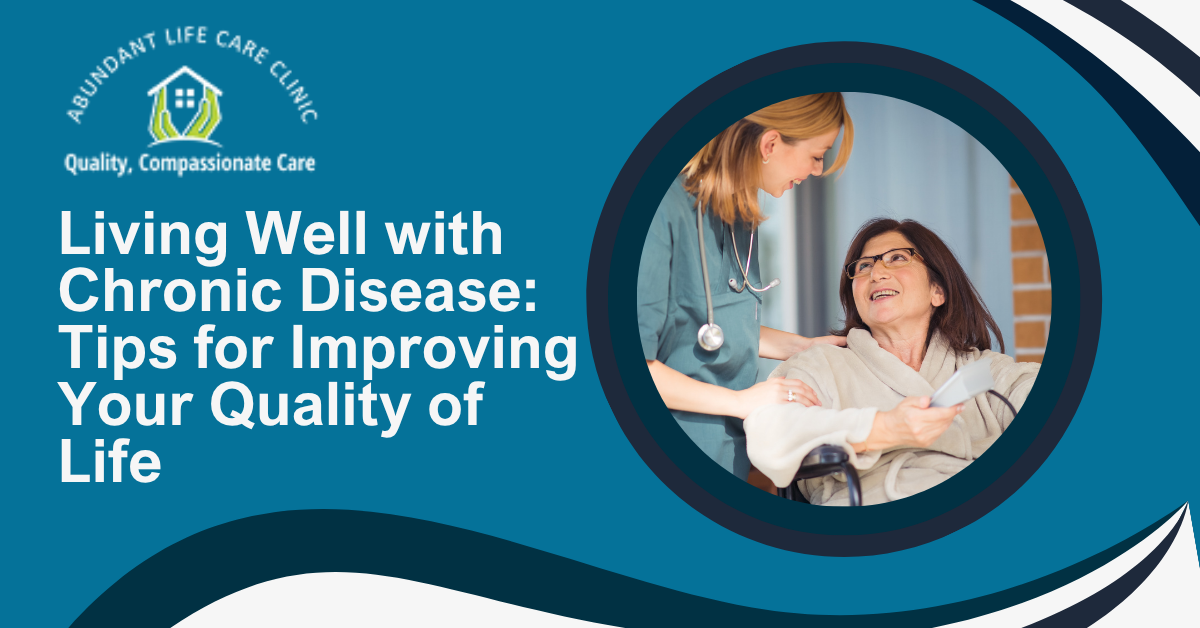
Living Well with Chronic Disease: Tips for Improving Your Quality of Life begins with taking a proactive approach to your health. Whether you’re managing diabetes, heart disease, high blood pressure, arthritis, asthma, COPD, or another long-term condition, the right combination of medical care, lifestyle changes, and ongoing support can help you feel your best.
At Abundant Life Care Clinic, we believe every patient deserves compassionate, personalized care that empowers them to live healthier and more confidently. Through chronic disease management, preventive care, routine monitoring, and wellness education, we help patients improve their health and enjoy a better quality of life.
What Does It Mean to Live Well with a Chronic Disease?
Living well with a chronic disease doesn’t mean eliminating every symptom—it means managing your condition effectively so it has less impact on your daily life.
Successful chronic disease management services focuses on:
- Controlling symptoms
- Preventing complications
- Maintaining independence
- Improving physical health
- Supporting emotional well-being
- Staying active
- Achieving personal health goals
With the right care plan, many people continue to enjoy productive and meaningful lives despite living with long-term health conditions.
Understanding Chronic Diseases
A chronic disease is a medical condition that lasts for one year or longer and requires ongoing medical attention or lifestyle adjustments.
Common chronic diseases include:
- Diabetes
- High Blood Pressure (Hypertension)
- Heart Disease
- High Cholesterol
- Arthritis
- Asthma
- COPD
- Chronic Kidney Disease
- Osteoporosis
- Thyroid Disorders
- Obesity
- Depression and Anxiety
Although these conditions often require lifelong management, they can frequently be controlled through regular healthcare, medication, healthy habits, and patient education.
Why Quality of Life Matters
Why Might You Need Chronic Illness Management Services? Managing a chronic illness isn’t only about treating symptoms—it’s about improving your overall quality of life.
Quality of life includes your ability to:
- Stay physically active
- Perform daily activities
- Maintain independence
- Enjoy social relationships
- Manage stress
- Feel emotionally healthy
- Sleep well
- Participate in hobbies and family activities
The goal of chronic disease management is to help you continue living life to the fullest while minimizing the effects of your condition.
Challenges of Living with Chronic Disease
Every chronic condition presents unique challenges, but many patients experience similar concerns.
These may include:
Physical Challenges
- Fatigue
- Chronic pain
- Limited mobility
- Shortness of breath
- Medication side effects
Emotional Challenges
- Anxiety
- Depression
- Frustration
- Stress
- Fear about the future
Lifestyle Challenges
- Managing medications
- Attending frequent appointments
- Following dietary recommendations
- Staying physically active
- Balancing work and family responsibilities
Recognizing these challenges is the first step toward finding practical solutions that improve your daily life.
Why Ongoing Medical Care Is Essential
One of the most important aspects of living well with chronic disease is maintaining regular communication with your healthcare provider.
Routine medical care helps:
- Monitor disease progression
- Adjust medications when needed
- Detect complications early
- Improve treatment outcomes
- Answer health questions
- Provide ongoing education
- Support healthier lifestyle choices
Rather than waiting for symptoms to worsen, regular follow-up visits allow your provider to make proactive adjustments that keep your condition under control.
Personalized Care Makes a Difference
Every patient experiences chronic disease differently.
That’s why personalized healthcare is so important.
At Abundant Life Care Clinic, we create individualized treatment plans based on:
- Your medical history
- Current symptoms
- Lifestyle
- Family history
- Medications
- Personal goals
- Overall health
This patient-centered approach leads to more effective treatment and better long-term outcomes.
The Benefits of Chronic Disease Management
Professional chronic disease management offers numerous advantages, including:
- Better symptom control
- Improved medication management
- Fewer emergency room visits
- Reduced risk of complications
- Greater independence
- Improved energy levels
- Better mental health
- Higher quality of life
By working closely with your healthcare provider, you can take an active role in managing your health and achieving lasting wellness.
If you have an ongoing illness, health medical attention is important.
Conditions like:
- Asthma
- COPD
- Arthritis
- Diabetes
- Kidney disease
- Hypertension
require continuous monitoring.
Regular wellness visits enable doctors to:
- Review medication
- Change the treatment plans
- Watch for signs of trouble
- Place an order for laboratory tests that are required
- Avoid problems
Build Healthy Daily Habits
Small daily choices can have a significant impact on your long-term health.
Healthy habits include:
- Eating nutritious meals
- Exercising regularly
- Staying hydrated
- Getting enough sleep
- Managing stress
- Taking medications as prescribed
- Keeping medical appointments
- Avoiding tobacco
- Limiting alcohol
Consistency is more important than perfection. Small improvements made every day often lead to meaningful long-term results.
10 Practical Tips for Living Well with Chronic Disease
Follow Your Personalized Treatment Plan
A single of the most crucial actions to take when managing chronic illnesses is to follow the treatment plan created by your physician. Each condition is distinct and the treatment program is specifically designed to meet your medical needs, health background and the way of life.
Your treatment plan may include:
Prescription medication
Regular health checks are essential for maintaining your health.
Routine lab tests
Lifestyle suggestions for the modern age
Screenings to prevent disease
Expert referrals
A consistent and regular schedule can reduce symptoms and lower the chance of developing complications.
Never Skip Your Medications
Medication plays an essential role in the treatment of chronic illnesses like diabetes, hypertension as well as heart disease and asthma.
Make sure you take your medication exactly as recommended by your doctor.
If you are experiencing:
Side effects
It is difficult to remember medications
Costs of medication are high.
Concerns about prescriptions
Contact your provider prior to making any modifications.
Management of medications is among the most effective methods to avoid complications and improve long-term health.
Eat a Healthy, Balanced Diet
Nutritional support is essential to keep your body healthy and can help manage a variety of chronic diseases.
Select foods that are high in nutrients, such as:
- Fresh vegetables
- Fruits
- Whole grains
- Lean proteins
- Healthy fats
- Low-fat dairy products
Reduce your intake of
- Drinks with sugary substances
- Processed food products
- Salt in excess
- Saturated fats
- Highly processed snacks
Healthy eating can help improve heart health, healthy blood sugar levels and healthy blood pressure and increased energy levels.
Stay Physically Active
Exercise is among the most effective methods for boosting your overall well-being.
Regular physical exercise can benefit:
You can strengthen your heart
Improve circulation
Flexibility to increase
Reduce joint pain
Improve blood sugar control
Maintain your weight in a healthy range.
Reduce stress
Enhance mood
Even simple activities like stretching, walking, swimming or chair exercises can be beneficial in bringing about a change.
Always consult with your physician prior to beginning any new exercise routine.
Get Enough Rest
Sleeping well allows your body to recuperate and recover.
Poor sleep may worsen:
Diabetes
High blood pressure
Depression
Heart disease
Chronic pain
Develop healthy sleeping habits by:
Sleeping at the same hour each night
Limiting screen time prior to going to bed
Avoiding caffeine later in the morning
Make sure your bedroom is quiet and comfy
Try to get 7 to 8 hours of sleep per every night, if you can.
Learn to Manage Stress
Being afflicted by a chronic illness can bring psychological challenges that impact your physical well-being.
Healthy stress management techniques include:
Deep breath
Meditation
Prayer
Yoga
Journaling
Outdoor activities
Conversations with family and acquaintances
The ability to manage stress can enhance your physical and mental health.
Make sure you keep up with regular medical Appointments
Regular follow-up visits enable your doctor to:
Be aware of your performance
Review the medication
Recognize changes in the early stages
Request the screenings you need.
Change treatments plans
Answer your questions
Do not wait until symptoms become serious before making an appointment.
Monitoring and prevention are vital to managing chronic diseases.
Monitor Your Health at Home
Monitoring your health between appointments will help you spot health issues before they turn into serious.
Depending on the condition of your patient the doctor may suggest surveillance:
Blood pressure
Blood sugar
Weight
Oxygen levels
Heart rate
A health journal can help you identify patterns and address concerns at health visits.
Stay connected with your Support System
Being able to manage a chronic illness is simpler when you have someone helping your.
Your support network might comprise:
Family
Friends
Caregivers
Healthcare providers
Community-based groups
Don’t be afraid to seek assistance when you require it.
The strong emotional support can lead to improved health outcomes.
Take an Active Role in Your Healthcare
You are an integral part of your medical team.
Ask questions during appointments.
Understand:
Your diagnosis
Treatment options
The purpose of medication
Warning warning signs
Lifestyle suggestions for the modern age
Patients who are actively involved in their medical care typically experience longer-term outcomes that are better.
Take Control of Your Chronic Health
The Importance of Preventive Care
Even if you are managing an illness that is chronic the need for preventive care is still vital.
Regular preventive screening helps to uncover new health issues before they turn into serious.
Prevention and care could consist of:
Annual wellness checks
Blood pressure checks
Cholesterol screening
Screening for diabetes
Screening for cancer
Vaccinations
Vision exams
Health evaluations for mental health
These services can help you maintain your health while managing any medical issues that may be present.
Ageing shouldn’t be a sign of declining health.
Wellness care can help older adults stay active by:
Management of medication
Monitoring chronic disease
Assessments of mobility
Food-related advice
Health evaluations for cognitive function
Healthy aging means preserving independence while maintaining the best level of quality.
How Telehealth and Home Visits Improve Chronic Care
Telehealth Services
Virtual appointments let patients:
Review the medication
Discuss the issues
Receive follow-up care
Review the results of the lab
Ask healthcare questions
Telehealth helps reduce travel time and keeps you connected to your service provider.
Home Visits
Patients who have mobility issues or mobility issues might benefit from home health visits.
Home visits include:
Medical care that is personalized
Regular health monitoring
Reviews of medications
Management of chronic diseases
More comfort and ease of use
The ability to receive care at home can make managing chronic illnesses much easier for a lot of patients.
Why Choose Abundant Life Care Clinic?
We are at Abundant Life Care Clinic we understand the fact that living with a chronic illness is more than just treating symptoms. It demands continuous education, partnership and compassionate care.
Our team is committed to assisting every patient in achieving greater health and wellness through individualized treatment of chronic diseases.
Why Patients Trust Us
Healthcare professionals with experience
Treatment plans that are customized to your needs
Patient-centered, compassionate care
Preventive healthcare services
Management of medication
Routine follow-up appointments
Telehealth visits
Home visits
Primary and comprehensive care
Support for long-term health
We partner with every patient to improve the health outcomes and enhance standard of living.
Frequently Asked Questions
What is it that means living a healthy life when you have a chronic illness?
Which are some of the commonly reported chronic illnesses?
Some of the most commonly reported chronic diseases are:
Diabetes
High Blood Pressure (Hypertension)
Heart Disease
High Cholesterol
Arthritis
Asthma
COPD
Chronic Kidney Disease
Thyroid Disorders
Osteoporosis
Obesity
Depression and Anxiety
These conditions typically require constant medical treatment and individualized treatment.
How can I manage chronic illness to enhance my quality of life?
Why is it so important to adhere to my treatment regimen?
What is the best time to see my primary care physician?
The frequency of visits depends on your health status and treatment regimen. Patients with chronic illnesses need regular follow-up appointments to track their progress, modify medications, and to avoid complications.
Your Health, Your Journey
A chronic illness may be a chronic condition that lasts for a lifetime but it doesn’t need to limit your ambitions or make you unhappy.
By playing an active role in your medical care and making educated lifestyle choices and working with medical professionals who are experienced and specialists, you will be able to successfully manage your condition while doing what you enjoy.
Here at Abundant Life Care Clinic We’re dedicated to assisting you at every stage of your journey by providing personal, caring care that is focused on your health over the long term and well-being.